When is this considered?
- Heel or tendon pain that persists despite an appropriate programme of activity modification and rehabilitation
- Clinical findings, with ultrasound or other imaging when useful, that support a specific diagnosis
- A carefully selected procedural target after discussing conservative options and expected limitations
Assessment comes first
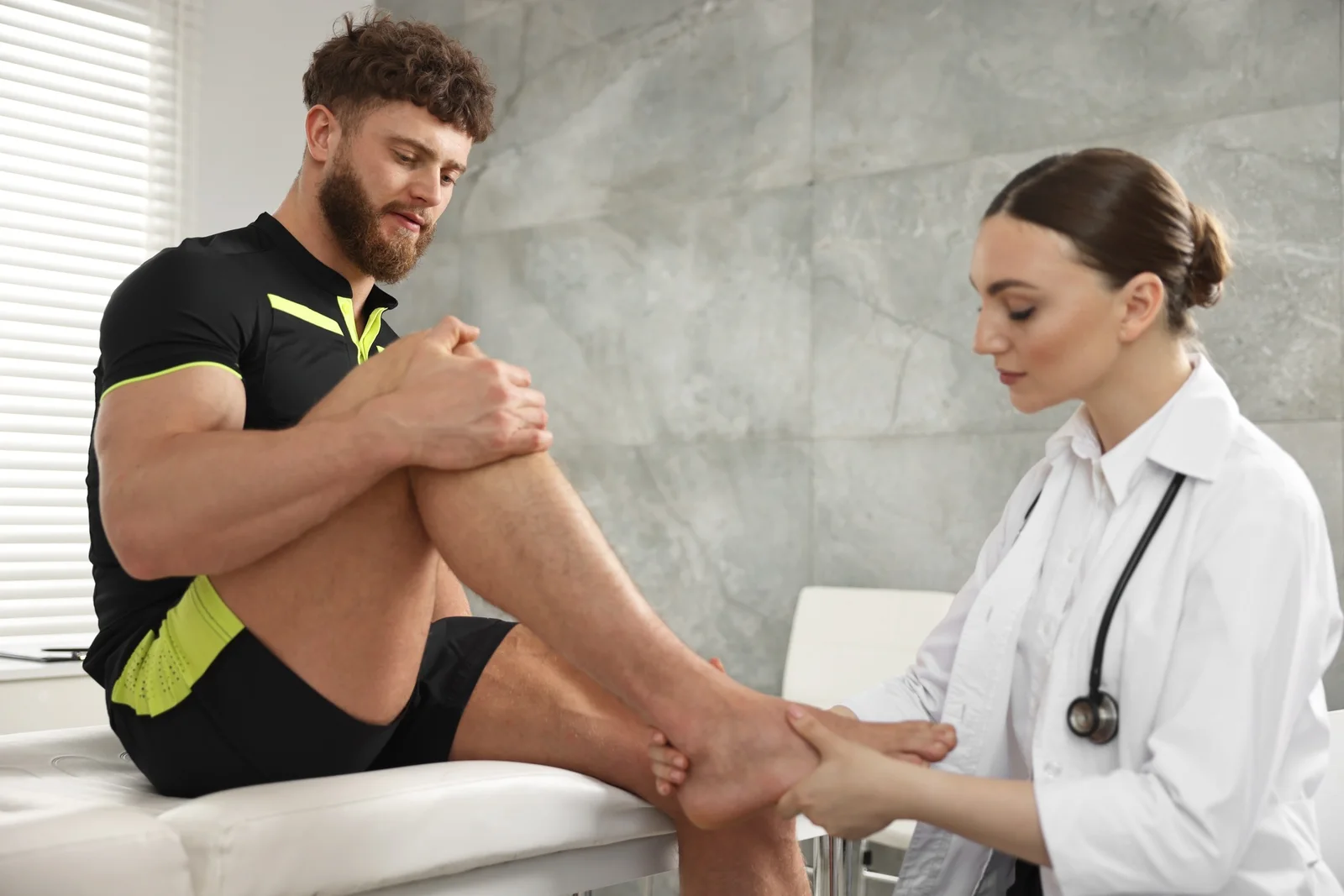
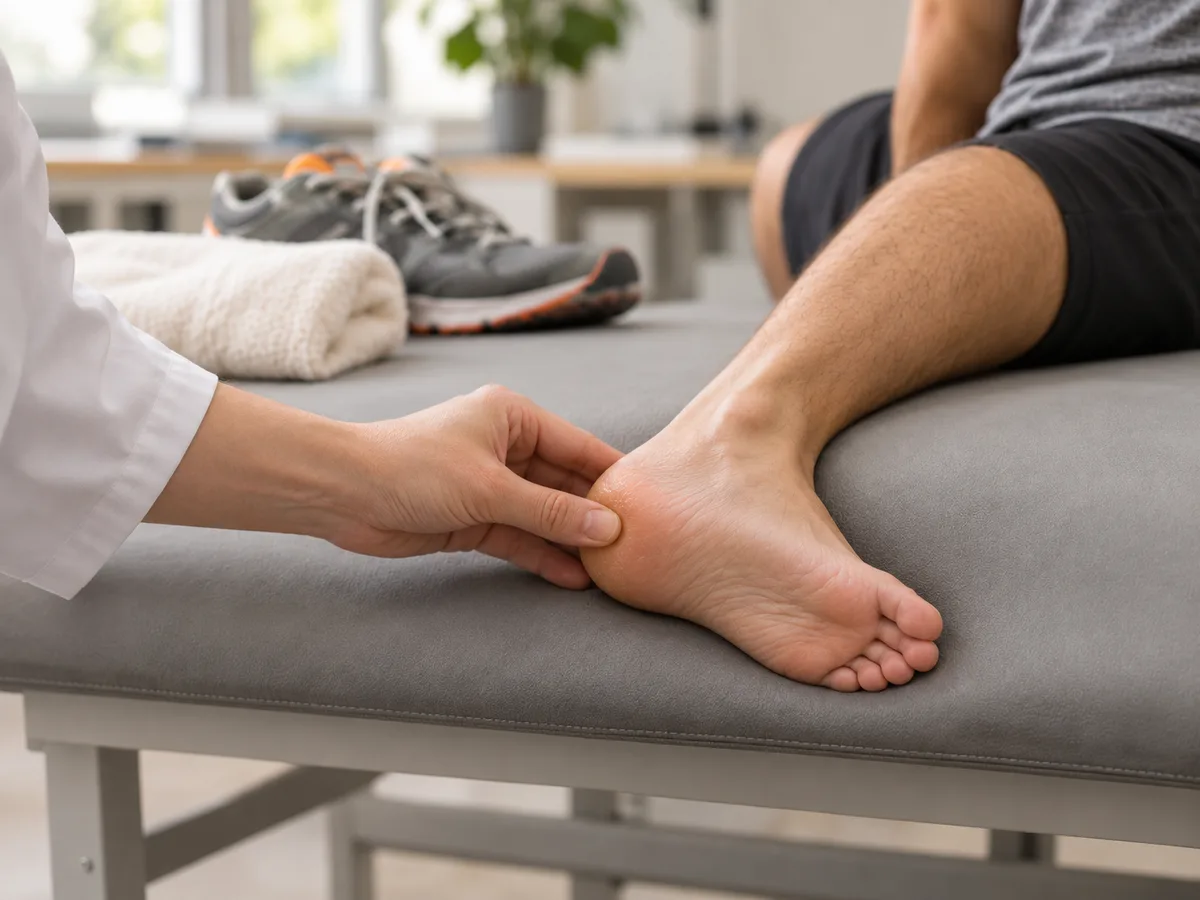
We consider the location of pain, training or work-related loading, footwear, calf or tendon function, examination findings and previous treatment. Imaging is used selectively; other causes of heel pain or tendon symptoms may need exclusion.
What might treatment involve?
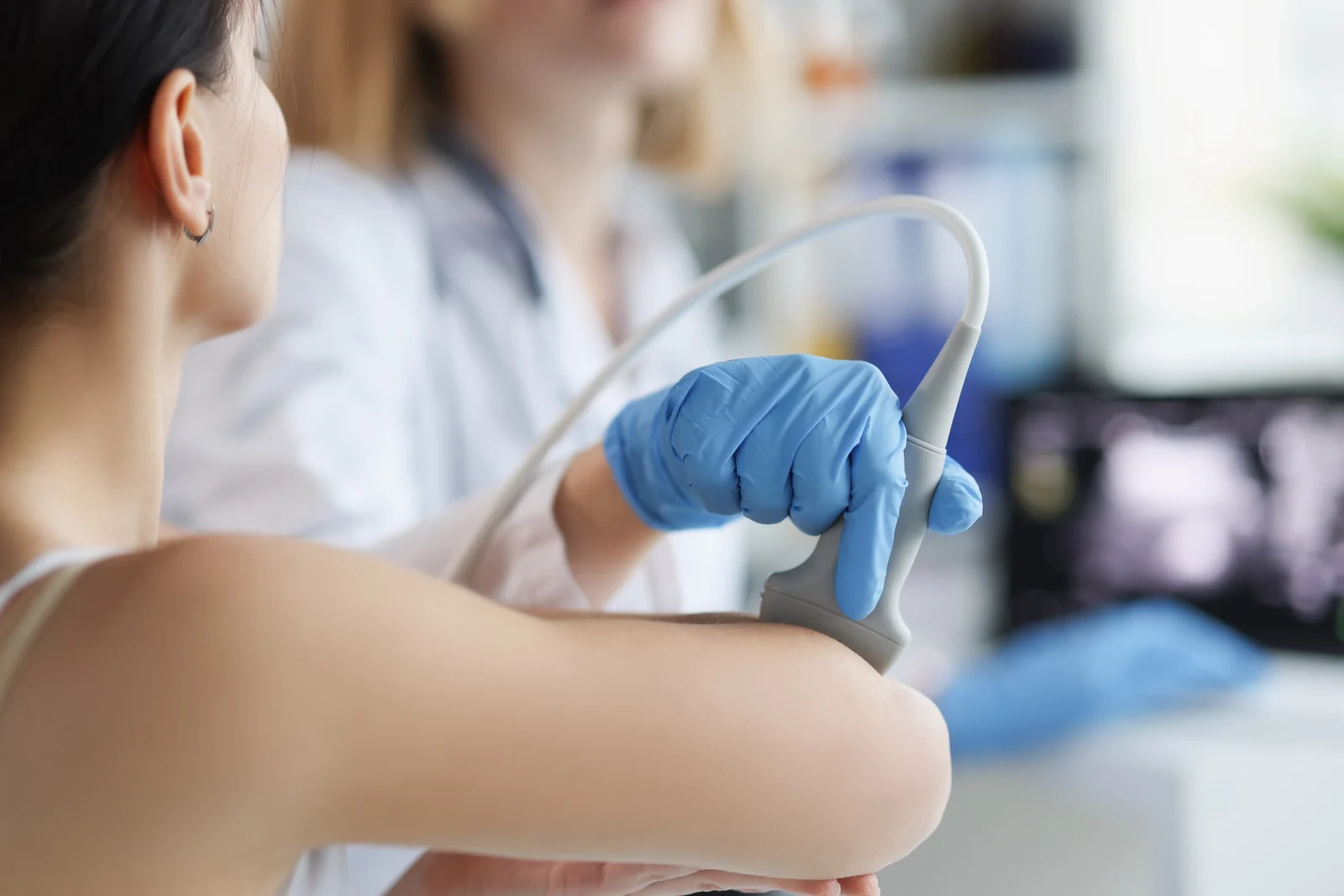
When appropriate, an ultrasound-guided injection or other targeted intervention may be discussed. The exact method and whether an injection is advisable depend on the tissue involved. Procedures are not substitutes for graded strengthening and a return-to-activity plan.
What else could help?
Plantar fascia and calf stretching, graded loading and strengthening, footwear or orthotic changes, taping, rehabilitation and other non-operative options may be considered first.
Risks and limitations
Pain flare, bruising, infection, nearby tissue injury and an incomplete response are possible. Some corticosteroid injections around the plantar fascia can also carry risks such as fascia rupture or heel fat-pad changes; risks vary with the selected technique.
Questions patients ask
Is an injection necessary for plantar fasciitis?
No. Many people improve with an appropriate rehabilitation and load-management programme, without an injection.
Does imaging confirm every tendon problem?
No. Imaging findings must be interpreted alongside the symptoms and examination.
Can I return to running immediately afterward?
Activity restrictions and return-to-sport advice depend on the condition, any procedure performed and the rehabilitation plan.