When is this considered?
- A clearly established diagnosis and a target that may be suitable for a specific ablation technique
- Symptoms or clinical circumstances that justify comparing ablation with observation, medication or surgery
- Appropriate imaging, specialist input and a procedure setting matched to the treatment
Assessment comes first
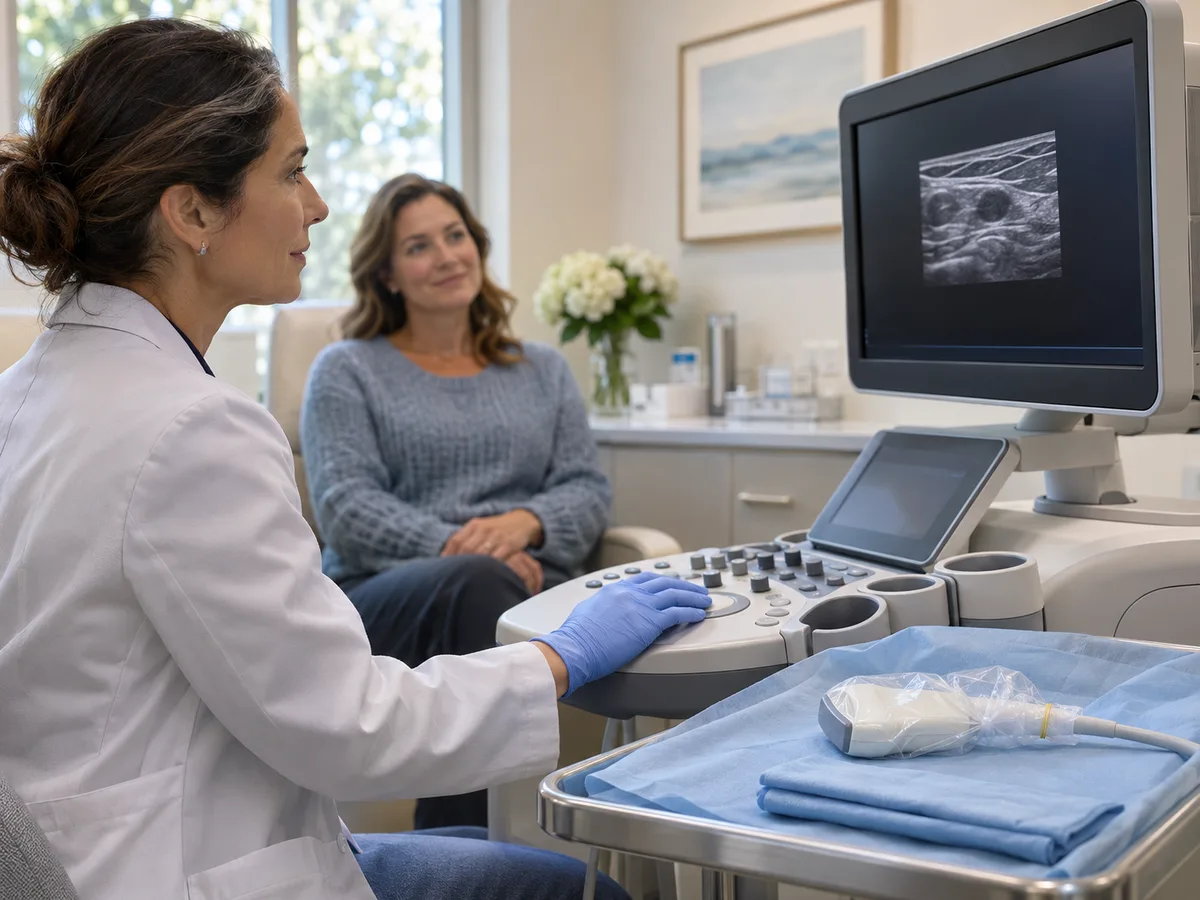
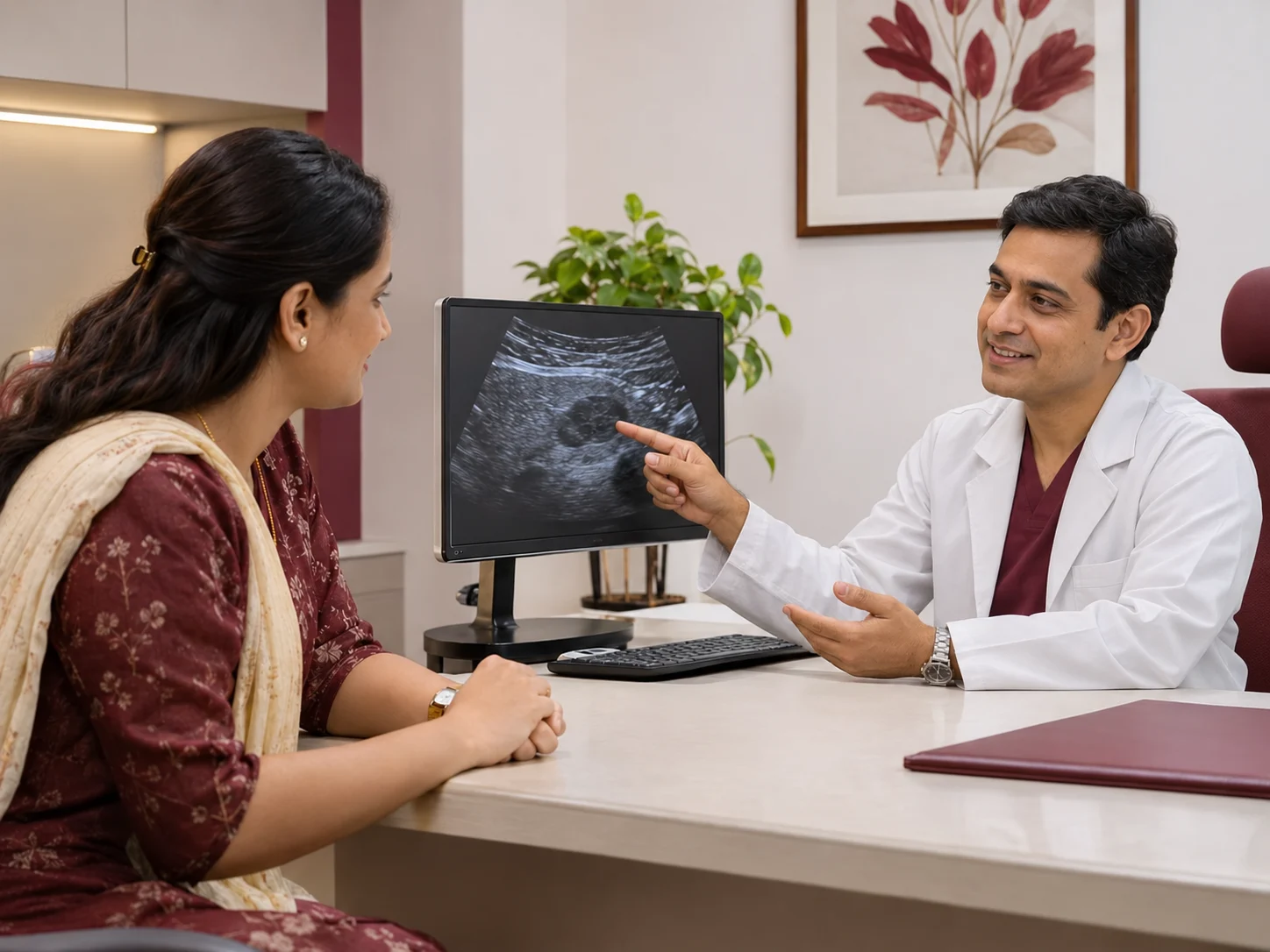
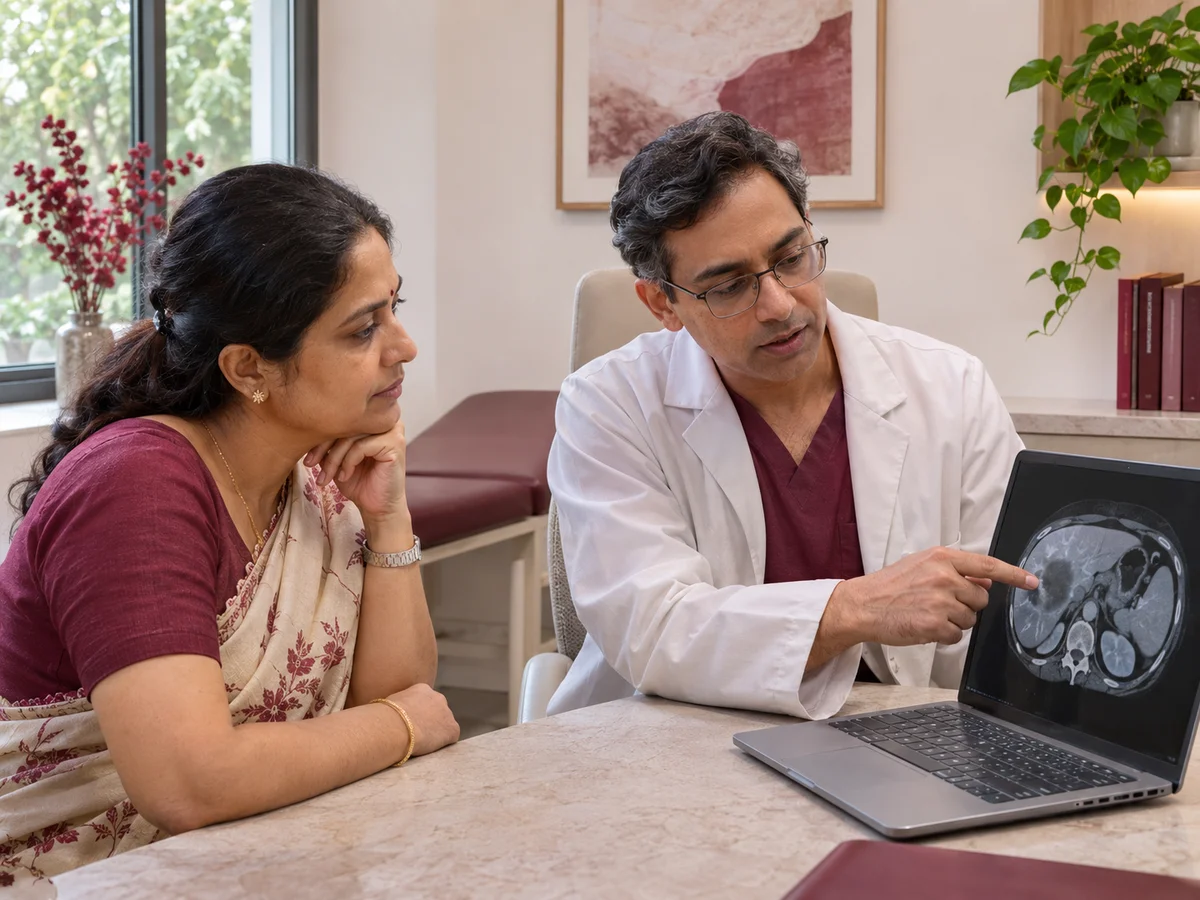
Review includes symptoms, previous treatment, ultrasound or cross-sectional imaging, relevant blood tests and, where needed, a confirmed tissue diagnosis. Thyroid and focal organ lesions may require input from endocrine, surgical, oncology or other specialist teams before a treatment decision.
What might treatment involve?
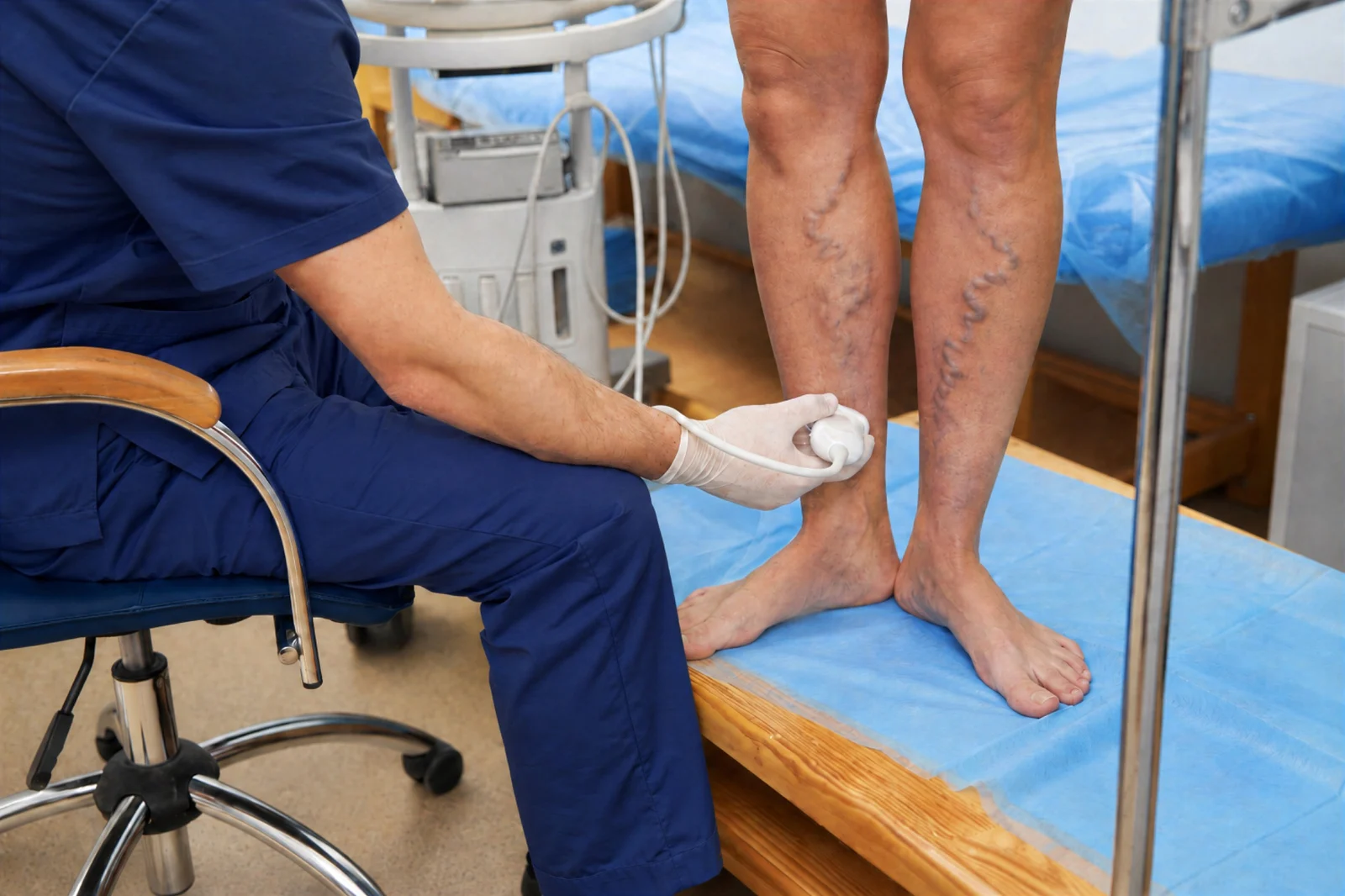
The term ablation covers different procedures. Some use a laser fibre within a vein; others use a carefully positioned probe or electrode under imaging guidance. Energy delivery, anaesthesia, protection of nearby structures and follow-up depend on the organ and technique.
Procedures that may be discussed
- Endovenous laser ablation (EVLA): a technique for selected refluxing superficial veins following venous duplex assessment.
- Thermal ablation for selected benign thyroid nodules: considered only after an appropriate diagnosis and discussion of observation, surgery and other options.
- Radiofrequency or other targeted pain procedures: may be considered for selected diagnoses after appropriate specialist assessment.
- Ablation of selected organ or breast lesions: highly case-dependent; requires the relevant imaging, pathology and multidisciplinary treatment pathway rather than routine treatment of every lump.
What else could help?
Observation, medication, rehabilitation, compression for venous disease, surgery or another image-guided technique may be more appropriate depending on the condition.
Risks and limitations
Bruising, bleeding, infection, pain, thermal injury to nearby nerves, skin or other structures, incomplete treatment and recurrence are possible. Additional organ-specific risks require individual consent; ablation is not appropriate for every lesion.
Questions patients ask
Is ablation the same as embolization?
No. Ablation generally treats a defined target using energy or another ablative method; embolization uses a catheter to reduce or stop blood flow in selected vessels.
Can every thyroid or breast lump be ablated?
No. Diagnosis and malignancy risk must be established first. Suspicious lesions require appropriate specialist investigation and management.
Does ablation guarantee the condition will not return?
No. Outcomes, follow-up needs and recurrence risk vary with the diagnosis and technique.